
So when the weather is extreme in the UK, snow and ice can cause a problem with your boiler. 9 times out of 10 this is because of a frozen condensate pipe. In this blog we are going to explain everything: what you have to do to repair it and how to prevent it happening in the future.
We have written this blog to cover everything you need to know when it happens to you, how to prevent it and how to fix it.
So…
What is a boiler condensate?
The condensate is waste water that runs from your boiler. The water is produced when the gas is burning at a lower temperature; this water vapour is collected inside the boiler in a trap and gets discharged to a drain via a pipe. This waste water is mildly acidic (2.9-4.0 pH), about the same as vinegar.
The condensate pipe
It is a pipe that transfers the condensate to a drain. This pipe must be made of plastic so it doesn’t corrode and can connect to a drain anywhere on the property. Sometimes, if feasible, the condensate pipe will connect to a drain inside your property, therefore eliminating the risk of freezing, but sometimes, depending on the location of the boiler, this pipe is run outside to a drain.
Why does your pipe freeze?
The condensate water is discharged from the boiler at a slow rate, therefore as a small amount of water dribbles down the pipe it freezes before it gets to the end. As the water goes down the pipe it freezes and builds up, eventually blocking the pipe.
How do I know if my pipe’s frozen?
If your pipe is frozen your boiler is likely to be showing a fault of flame failure or an ignition problem, or you may hear a loud gurgling coming from your boiler. This is the condensate water backing up and not allowing your boiler to fire up. If you are unsure what fault represents these failures, have a read through your boiler user guide.
How to locate your condensate pipe
If you look underneath your boiler there will be a number of pipes, most of them being copper pipes. However, there should be one 22mm (3/4”) white plastic pipe. This is your boiler condensate. If there isn’t one of these it’s likely that your boiler is an older model and doesn’t have a condensate pipe (good news, you have nothing to worry about).
If the condensate pipe runs outside it should change to 32mm (1’’1/4) or larger waste pipe and leave the building.
How to defrost your pipe and get your boiler working again.
Now depending on who you speak to and where the pipe is located on your house there are a number of ways to defrost the pipe.
-
Hot/ warm water. (My favourite method)
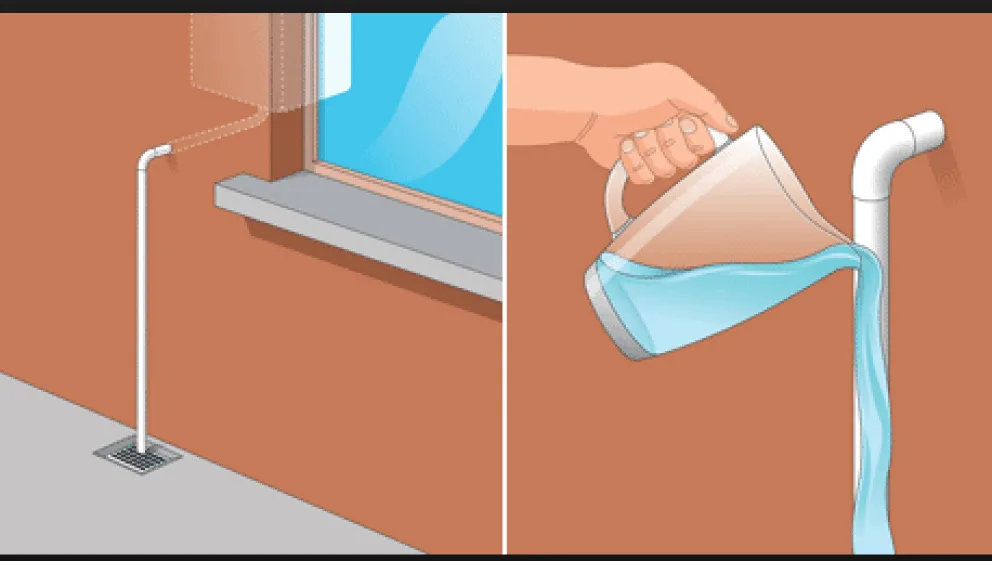
- If the pipe is at low level (you can reach it) then fill the kettle (you won’t have any hot water if you have a combi boiler) and warm it up. Take the hot water outside, clear the snow off the pipe and pour it on the full length of pipe, defrosting the water inside. If it works you should see/hear chunks of ice come out of the end of the pipe and run into the drain.
-
Hot water bottle.
- If you don’t feel confident with hot water you can rest a hot water bottle on the pipe, defrosting one section at a time. This is a lengthy process and, when it’s -3 outside, definitely one of my least favourites.
-
Cut the pipe (outside)
- If you’ve tried the above methods and it’s still not shifting, you can cut the condensate pipe so there is less to defrost. Cut the pipe as close to where it exits the building with a hacksaw and just defrost the part sticking through the wall. If you do this you may need to call an approved plumber to reconnect once the weather has warmed up. Note: when cutting the pipe it’s recommended that you leave enough pipe to connect back on to, saving time and money to reconnect in the future.
-
Cut the pipe (inside)
- Now if your pipe is a very long run at high level (out of reach) or starts on the first floor and runs down and you can’t access the full pipe, or the above methods don't work when your pipe is on the ground floor, you can disconnect/cut the pipe inside your property. You simply must locate the pipe where it exits the boiler, cut it/disconnect it and leave it dripping into a bowl until the pipe outside thaws. NOTE: if you choose to do this method then please make sure that:
- The bowl you place under the boiler is big enough. Too many times have I seen a very small bowl and when the customer gets up in the morning they have water everywhere. Top tip: run your heating for an hour or two into a bowl and see how quickly it fills; this way you can determine how fast the bowl fills and how often it’s going to need emptying.
- Be confident you know what you are doing. If you are at all unsure what pipe to disconnect, please contact a Gas Safe registered engineer to carry out the work.
- Remember to get it reconnected. It’s not recommended that a boiler condensate pipe is cut inside a property, and it should be reconnected as soon as the weather is warm enough outside for it to work again.
- Now if your pipe is a very long run at high level (out of reach) or starts on the first floor and runs down and you can’t access the full pipe, or the above methods don't work when your pipe is on the ground floor, you can disconnect/cut the pipe inside your property. You simply must locate the pipe where it exits the boiler, cut it/disconnect it and leave it dripping into a bowl until the pipe outside thaws. NOTE: if you choose to do this method then please make sure that:
What not to do
Obviously apply a bit of common sense to the above methods and never do anything that would be deemed unsafe or you think could damage the boiler. For example:
-
Don't climb ladders to defrost.
- Not only will the ladders not be secure when the weather is icy, climbing up ladders with hot water can be very dangerous.
- Last year we were made aware that some of the big companies were advising their customers to use hair dryers to defrost pipes. We definitely don't recommend this; dragging electrical appliances around outside in the cold and wet is a big no-no in our books.
How to prevent it happening before the cold weather or it happening again in the future
-
Re-route the pipe.
- By far the most effective method for prevention is running the condensate pipe somewhere else in the property. With the pipe not being outside there is significantly less chance of any problems.
-
Insulate it. (My LEAST favourite method)
- It looks ugly on the outside of the property.
- Insulation/lagging keeps the pipe from freezing for longer, but once frozen the lagging prevents the pipe from thawing for longer.
- Make sure you use lagging that’s approved to be fitted externally. If internal lagging is used it absorbs water and can cause the pipe to freeze faster.
-
Trace heating
- Trace heating is a thin electrical cable that wraps the condensate pipe outside throughout its length. When the weather drops below a certain temperature the heater kicks in and warms the pipe to stop it freezing.
-
Increase the size and change the way the pipe is installed.
- Pipes that are larger take longer to freeze, so increase the pipe size to 42mm (1’’1/2).
- Make the condensate pipe shorter. The shorter the pipe the less chance of it freezing.
- Run the pipe so that the drops are more vertical; the quicker the condensate can run through the pipe the better.
- Run the pipe on a south-facing wall where it’s warmer.
-
Siphon trap
- Some boilers have siphon traps, so instead of the boiler releasing the condensate water gradually it waits for the trap to fill and releases it all in one go. But be warned, the pipe could still freeze in extreme weather locations.
And finally
All the above information has been provided by Delta Flow as a guideline, and we take no responsibility for any damage caused by yourself performing the above tasks.