
Save money on heating and repair bills with these heating and hot water tips
With all the current energy bill prices going up, and also the prices of boilers and parts, running heating and hot water in your home can be very expensive! This year could be the most expensive ever!
In this article we’re going to give you some tips on how to lower your gas bills this year, describing the most common things that can be done at home to save energy this year and increase the efficiency of your boiler.
Unfortunately, when most boilers in the UK are installed they have been left on the maximum setting for heating and hot water leaving the customer to use their thermostat to turn up and down the heating as they need it. Although this generates feedback such as "our radiators are red hot" or "our hot water is hotter than ever".
This is not the way to get the most efficiency out of your boiler.
First we will start with…
Hot water
Hot water on a combi boiler…
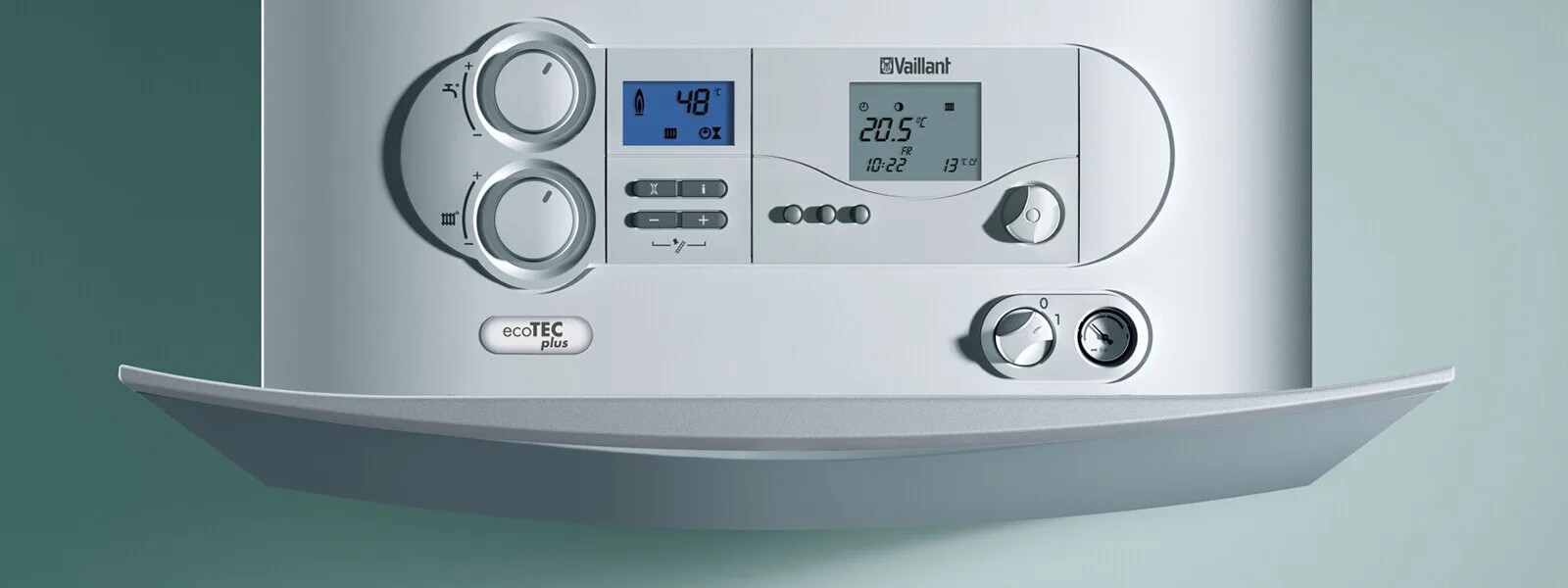
If you look at the dial or on the digital display of a boiler, most of the time these are left at 55, 60, sometimes even 65 degree heat!
Now the average shower temperature is 39 degrees, so why are we running our hot water at such high temperatures only to be adding cold water at the shower, bath or other outlet?
Basically using gas to heat water at the boiler using maximum power to only cool it down to make it bearable to use at the shower/bath.
So what should you do?
Go to your boiler and find the setting for hot water. Adjust this temperature down to say 40 degrees, use your shower, bath and other outlets for a few days and decide if this is hot enough for you.
If still too warm, turn it down even more. If it is not hot enough, turn it up.
Note: if still washing up by hand some customers prefer the water a little hotter say 45 degrees but this is down to each individual household.
The lower the temperature, the less energy required.
Hot water on a regular or system boiler (a boiler with a hot water cylinder)
With these types of boiler there is only one setting you can adjust. So you cannot control the heating and hot water separately (well, it can, but it would need extra work which we will go into in a different article). Due to bacteria that can build up in the tank the tank has to be run at a higher temp at least once a week to kill these bacteria.
So if you’re looking to save money on this type of system and are in the Leeds/Wakefield area get in touch and we can explain more.
Heating - This is where the savings can be made
Firstly, I will describe how heating shouldn’t be run in a standard property…
So the boiler is on full and you turn the heating thermostat or timer on.
The boiler fires up on full rate and starts pumping red hot water round the system until the room is hot enough, then switches off until the room cools down just enough for the thermostat to call for heat again. This tells the boiler to fire back up on full rate again to maintain the temp set.
This puts stress on the boiler and its components and also uses more energy to do so.
Parts such as the expansion vessel (a part that commonly fails) expand and contract a number of times, decreasing their lifespan.
Example: if I told you to drive down a country road to a destination you wouldn’t drive for a bit at 70mph then stop for a bit then speed off at 70 again only to stop again and so on.
You’d probably drive at a sensible speed somewhere in between, say 35mph. This is what your boiler should do.
Saving money on heating
Your heating temperature set at your boiler should reflect how much energy is required to heat your home to your set comfort temp (this is usually about 21 degrees).
So on a very cold day, let’s say it’s -2 degrees outside, your boiler is going to need more power to heat your home than on a cool spring day, say when it’s 10 degrees outside.
Cold day -2 to 21 temp difference 23 degrees
Mild day 10 to 21 temp difference 11 degrees
So what should you do…
You need to start by turning your heating temperature down at the boiler (don’t be confused with the room thermostat that turns your heating on) we want to reduce the temperature of the water leaving your boiler.
How low you can go will depend on when you are reading this article.
Basically the lower you can turn your heating temperature the more efficient the boiler is and the more condensing the boiler does.
(a boiler condensing more is the boiler extracting as much energy as possible out of the gas and fumes increasing efficiency)
Now turning the boiler temp down to 35-40 degrees when the weather is mild will be fine but on a colder day this may not be enough so you will have to readjust as the weather changes throughout the year.
Or ideally…
There are controls on the market now with weather compensation.
These controls automatically adjust the boiler output temperature to suit how cold or warm it is outside, selecting the correct output to keep your home the correct temperature all year round.
One thing to note after doing any of the above is the room temperature; don’t be going round feeling how hot the radiators are to touch. The room temp is the most important thing here.
So what are you waiting for? Have a go. Learn about that white box on the wall that costs so much to run, and start saving money where you can today!
Or
For more information on smart modulation controls click here.
Or to book an engineer to fit you a smart control, get in touch.
As part of all our boiler services we offer all this advice and can help you with any of the above, so click here to book a boiler service
As with all the above information, it is hard to get it across on a website blog and much easier to describe in person and explain a suitable solution for each and every setup. I’m a heating engineer at the end of the day, not a writer.
But hopefully the above info can give you an idea and you can start to save money on your bills this year.